Proper Drainage in a 320W Grow Tent
As a reliable supplier of 320W Grow Tent, I understand how crucial proper drainage is for a successful growing environment. In this blog, I'll share some insights on ensuring adequate drainage in your 320W grow tent, a key factor that can significantly impact the health and productivity of your plants.
Understanding the Importance of Drainage
Proper drainage plays a pivotal role in a grow tent. Excess water can lead to a multitude of issues, such as root rot, fungal growth, and nutrient leaching. Root rot is a common problem caused by waterlogged soil, where roots are deprived of oxygen and become susceptible to pathogens. Fungal diseases, like mildew and mold, thrive in moist conditions and can quickly spread throughout the tent, damaging your plants. Nutrient leaching occurs when water washes away essential nutrients from the soil, leaving your plants nutrient - deficient.
In a 320W grow tent, maintaining an optimal balance of moisture is essential. The power of the 320W lighting system can influence the temperature and humidity inside the tent, which in turn affects the water requirements of the plants. If the drainage is poor, the excess water can exacerbate humidity problems, creating an environment that is not conducive to plant growth.
Choosing the Right Growing Medium
The first step in ensuring proper drainage is selecting the appropriate growing medium. Different growing media have varying drainage properties. For example, perlite is a lightweight, porous material that provides excellent drainage. It helps to aerate the soil and prevent compaction, allowing water to flow freely through the medium. Vermiculite, on the other hand, retains more water but can still contribute to drainage when mixed with other materials.
A popular choice for a well - draining growing medium in a 320W grow tent is a mix of peat moss, perlite, and vermiculite. Peat moss holds moisture while providing a slightly acidic environment that is beneficial for many plants. Perlite and vermiculite improve drainage and aeration, ensuring that the roots have access to oxygen and water doesn't accumulate.
Utilizing Drainage Trays and Containers
Installing drainage trays and containers is an effective way to manage excess water in your 320W grow tent. When watering your plants, any excess water that drains out of the pots should collect in the trays. These trays can be made of plastic or other waterproof materials and should be large enough to hold the volume of water that is likely to drain from the plants.
Ensure that the drainage trays have holes or slits to allow water to flow out. You can connect the trays to a drainage system using hoses, directing the excess water to a suitable outlet. This not only prevents water from pooling in the tent but also makes it easier to monitor and manage the water levels. Some growers prefer to use self - watering containers with built - in drainage systems, which can help to maintain a consistent level of moisture in the soil.
Creating a Sloped Floor
If your 320W grow tent is set up on a flat surface, creating a sloped floor can enhance drainage. You can use materials such as polystyrene sheets or wooden boards to create a gentle slope. The slope should be towards the drainage outlet or the area where the drainage trays are located. This allows water to naturally flow in the desired direction, reducing the risk of water pooling in certain areas of the tent.
When creating a sloped floor, it's important to ensure that the structure of the tent remains stable. Secure the sloping materials firmly in place to prevent them from shifting during the growing process. You can also line the floor with a waterproof material to prevent water from seeping through.
Installing a Ventilation System
Proper ventilation is closely related to drainage in a grow tent. A good ventilation system helps to control the humidity levels, which in turn affects the amount of water that needs to be drained. When the air is circulated within the tent, it helps to evaporate excess moisture from the soil and the plants' surfaces.
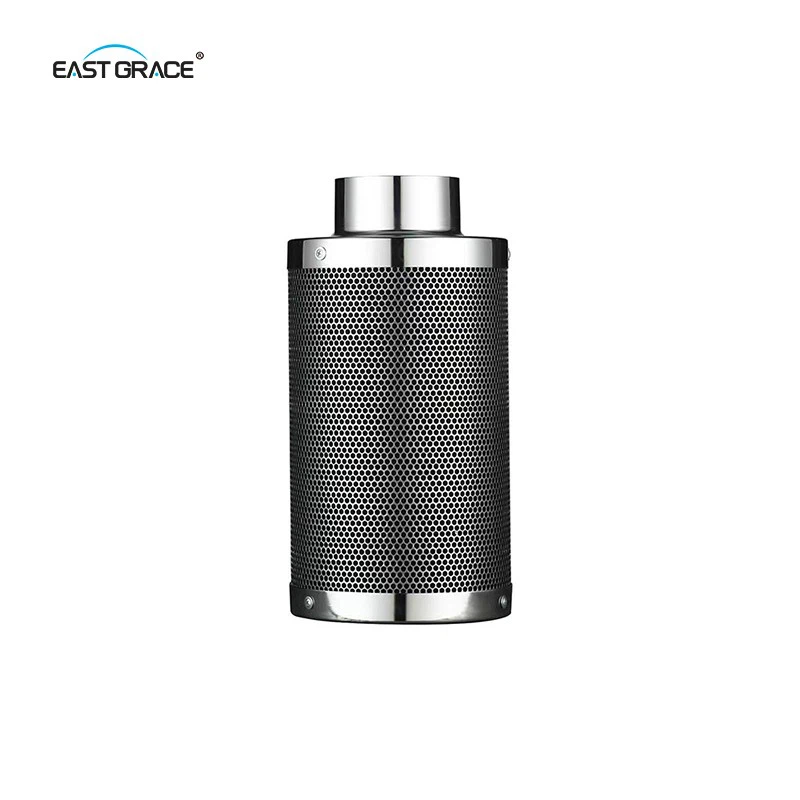
Active Carbon Filter For Grow Tent Use can be a valuable addition to your ventilation system. These filters not only remove odors but also help to improve air quality by trapping pollutants and particles. By maintaining a fresh air supply and reducing humidity, the ventilation system can aid in preventing waterlogging and promoting healthy plant growth.
Monitoring and Adjusting
Regular monitoring of the drainage conditions in your 320W grow tent is essential. Check the drainage trays frequently to see if they are overflowing or if there are any signs of water accumulation in the tent. You can also measure the moisture levels in the soil using a moisture meter. This will give you an idea of whether the drainage is working effectively or if adjustments need to be made.
If you notice that the soil is consistently wet or that there are signs of waterlogging, you may need to adjust the watering schedule, improve the drainage system, or change the growing medium. On the other hand, if the soil dries out too quickly, you may need to increase the frequency of watering or choose a growing medium that retains more moisture.
Consider Upsizing if Needed
If you find that your plant collection is growing or if you are experiencing challenges with drainage due to overcrowding, you might consider upgrading to a larger grow tent. Our 720W Grow Kit Tent provides a more spacious environment with potentially better drainage capabilities. A larger tent allows for more room for proper spacing of plants, which can improve air circulation and drainage.

Conclusion
Ensuring proper drainage in a 320W grow tent is essential for the health and success of your plants. By choosing the right growing medium, utilizing drainage trays and creating a sloped floor, installing a ventilation system, and monitoring the conditions regularly, you can maintain an optimal growing environment. As a supplier of high - quality 320W grow tents, we are committed to providing you with the best products and support to meet your growing needs.
If you have any questions or are interested in purchasing our grow tents or related accessories, feel free to reach out for a procurement discussion. Our team of experts is ready to assist you in finding the perfect solutions for your growing projects.
References
- "The Complete Guide to Indoor Gardening" by Gardening Experts Association
- "Growing Plants in Tents: Best Practices" by Horticulture Research Institute
- "Plant Nutrition and Water Management" by Agricultural Science Magazine