In the world of indoor gardening, the concept of a DIY 320W grow tent has gained significant popularity. As a 320W Grow Tent supplier, I've witnessed firsthand the growing interest in this approach. But the question remains: Is it cost - effective to make a DIY 320W grow tent? Let's delve into the details.

Understanding the Basics of a 320W Grow Tent
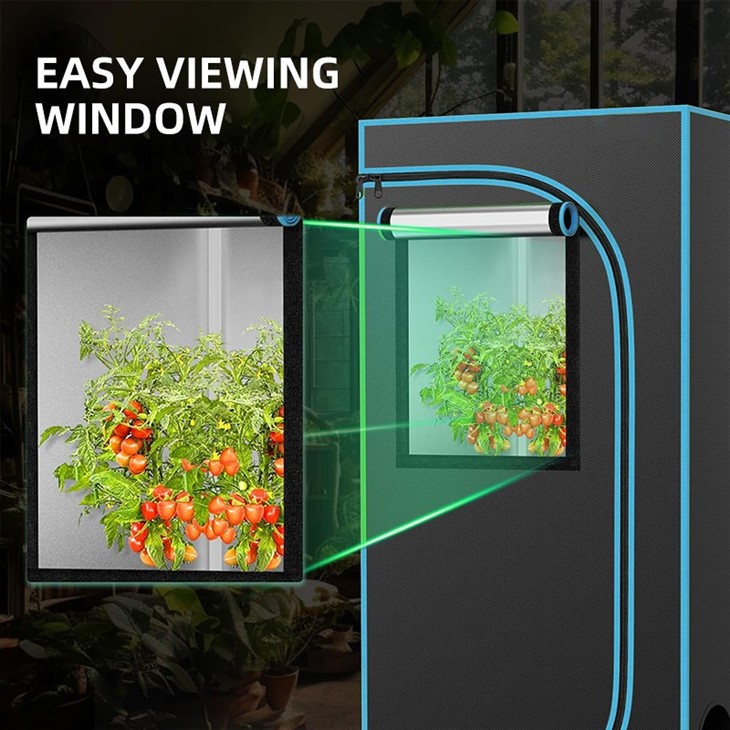
A 320W grow tent is a controlled environment designed for cultivating plants indoors. The 320W refers to the power of the lighting system, which is a crucial component as it provides the necessary light for photosynthesis. Grow tents typically come with reflective interiors to maximize light distribution, ventilation systems to control temperature and humidity, and space for various growing mediums.
Cost Analysis of a DIY 320W Grow Tent
Initial Investment
When considering a DIY 320W grow tent, the first aspect to evaluate is the initial investment. You'll need to purchase several components, including the tent itself, a 320W lighting system, a ventilation fan, carbon filters, and a timer. The cost of these items can vary widely depending on the quality and brand. For example, a basic grow tent might cost around $100 - $200, while a high - end 320W LED light can range from $200 - $500. The ventilation fan and carbon filter can add another $50 - $150, and a timer might cost around $20 - $50. In total, the initial cost of a DIY 320W grow tent can be anywhere from $370 to $900.
In comparison, pre - made Grow Tent - Complete Kit might cost a bit more upfront, usually in the range of $500 - $1200. However, these kits often come with all the necessary components pre - assembled and ready to use, saving you time and potential headaches.
Long - Term Costs
In the long run, the cost - effectiveness of a DIY 320W grow tent depends on several factors. One of the main ongoing costs is electricity. A 320W light will consume a certain amount of electricity per hour, and the cost will vary depending on your local electricity rates. On average, if you run the light for 18 hours a day, a 320W light will consume approximately 5.76 kWh per day. If your electricity rate is $0.15 per kWh, that's about $0.86 per day or around $26 per month.
Maintenance costs are also a consideration. DIY grow tents may require more frequent maintenance as you might have to source replacement parts separately. For example, if the ventilation fan breaks, you'll need to find a compatible replacement. In contrast, some pre - made kits come with warranties and easier access to replacement parts.
Advantages of a DIY 320W Grow Tent
Customization
One of the biggest advantages of a DIY grow tent is the ability to customize it according to your specific needs. You can choose the size of the tent, the type of lighting system, and the ventilation setup. For instance, if you have limited space, you can opt for a smaller tent and a more compact lighting system. You can also customize the interior layout to fit your growing medium and plant types. This level of customization is not always possible with pre - made kits. You can even explore Customized Plant Grow Tent options to get exactly what you need.
Learning Experience
Building a DIY 320W grow tent is a great learning experience. It allows you to understand the components of a grow tent and how they work together. You'll gain knowledge about lighting, ventilation, and environmental control, which can be valuable for future gardening projects. This hands - on experience can also help you troubleshoot problems more effectively.
Cost Savings in Some Cases
If you're on a tight budget and willing to put in the time and effort, a DIY grow tent can be more cost - effective. You can source components from different suppliers and find the best deals. For example, you might be able to find a used light or a discounted ventilation fan, which can significantly reduce the initial cost.
Disadvantages of a DIY 320W Grow Tent
Time and Effort
Building a DIY grow tent requires a significant amount of time and effort. You'll need to research the components, purchase them, and assemble the tent. This can be a daunting task, especially if you're not familiar with the process. In addition, you may need to spend extra time troubleshooting any issues that arise during the assembly or operation of the grow tent.
Quality Control
When building a DIY grow tent, you're responsible for ensuring the quality of each component. If you choose low - quality parts, it can affect the performance of the grow tent and the health of your plants. For example, a cheap ventilation fan may not provide adequate air circulation, leading to high humidity and potential mold growth.
Is It Cost - Effective?
The answer to whether it's cost - effective to make a DIY 320W grow tent depends on your individual circumstances. If you have the time, skills, and a limited budget, a DIY approach can be a great option. You can save money on the initial investment and gain valuable knowledge in the process. However, if you're short on time or prefer a hassle - free experience, a pre - made Grow Tent - Complete Kit might be a better choice, even though it may cost a bit more upfront.
Additional Considerations
Lighting Efficiency
The efficiency of the 320W lighting system is crucial. LED lights are generally more energy - efficient than traditional HID lights. They produce less heat, which can reduce the need for additional cooling systems. When choosing a light for your DIY grow tent, look for one with a high PAR (Photosynthetically Active Radiation) value, as this indicates better light quality for plant growth. You might also consider using a Light Hanger to adjust the height of the light for optimal light distribution.
Ventilation and Air Circulation
Proper ventilation is essential for a healthy grow tent. A good ventilation system will remove stale air, control humidity, and provide fresh air for the plants. You'll need to choose a ventilation fan with the right capacity for your grow tent size. Additionally, a carbon filter can help remove odors and purify the air.
Conclusion
In conclusion, the cost - effectiveness of a DIY 320W grow tent is a complex issue that depends on multiple factors. While it offers customization and potential cost savings, it also requires time, effort, and careful consideration of component quality. Whether you choose to build a DIY grow tent or purchase a pre - made kit, the most important thing is to create a suitable environment for your plants to thrive.
If you're interested in exploring our range of 320W grow tents and related accessories, we'd be happy to discuss your specific needs. Contact us to start a procurement discussion and find the best solution for your indoor gardening project.
References
- "Indoor Gardening: A Comprehensive Guide" by Gardening Experts
- "Lighting for Indoor Plants" by Horticultural Research Institute
- "Ventilation Systems in Grow Tents" by Environmental Control Specialists