Hey there, fellow growers! I'm a supplier of the 320W Grow Tent, and I've seen firsthand how important it is to get the nutrient solution right in your grow tent. In this blog, I'll share with you the best way to adjust the nutrient solution in a 320W grow tent, based on my experience and some scientific knowledge.
Why Nutrient Solution Adjustment Matters
First off, let's talk about why adjusting the nutrient solution is such a big deal. Your plants in the 320W grow tent rely on this solution for all the essential minerals and elements they need to grow healthy and strong. Just like we need a balanced diet, plants need the right mix of nutrients at different stages of their growth.
If the nutrient solution isn't adjusted properly, you might end up with plants that are stunted, have yellow leaves, or are more susceptible to diseases. On the other hand, if you get it right, you can expect lush, vibrant plants and a bountiful harvest.
Understanding Your Plants' Needs
Before you start adjusting the nutrient solution, you need to understand what your plants need. Different plants have different nutrient requirements, and these requirements also change as the plants grow.
Growth Stages
Most plants go through two main growth stages: the vegetative stage and the flowering stage.
- Vegetative Stage: During this stage, plants focus on growing leaves and stems. They need a higher proportion of nitrogen (N), which is essential for leaf and stem development. A good nutrient solution for the vegetative stage might have an N-P-K (nitrogen - phosphorus - potassium) ratio of something like 3 - 1 - 2.
- Flowering Stage: When plants start to flower, they need more phosphorus (P) and potassium (K) to support flower and fruit development. A typical N-P-K ratio for the flowering stage could be 1 - 3 - 2.
Plant Species
Some plants are heavy feeders, while others are more light - feeding. For example, tomatoes are heavy feeders and need a lot of nutrients throughout their growth cycle. Herbs like basil, on the other hand, are relatively light - feeding.
Testing the Nutrient Solution
Now that you know what your plants need, it's time to test the nutrient solution. You can't just guess what's in the solution; you need to measure it.
pH Testing
The pH level of the nutrient solution is crucial. It affects how well plants can absorb nutrients. Most plants prefer a slightly acidic to neutral pH range, usually between 5.5 and 6.5.
You can use a pH testing kit, which usually comes with pH test strips or a digital pH meter. If the pH is too high, you can add a pH - down solution. If it's too low, you can add a pH - up solution.
EC/PPM Testing
Electrical conductivity (EC) or parts per million (PPM) measures the concentration of nutrients in the solution. A higher EC/PPM means there are more nutrients in the solution.
You can use an EC/PPM meter to measure this. Different plants and growth stages have different optimal EC/PPM levels. For example, during the vegetative stage, the EC might be around 1.2 - 1.8 mS/cm, while in the flowering stage, it could be 1.8 - 2.2 mS/cm.
Adjusting the Nutrient Solution
Once you've tested the nutrient solution, it's time to make the necessary adjustments.
Adding Nutrients
If the EC/PPM is too low, it means there aren't enough nutrients in the solution. You'll need to add a nutrient solution that's formulated for your plants' growth stage. Make sure to follow the manufacturer's instructions on how much to add.
Diluting the Solution
If the EC/PPM is too high, the solution is too concentrated. You can dilute it by adding more water. Just be careful not to over - dilute it.
Adjusting pH
If the pH is off, you can use pH - up or pH - down solutions to bring it back to the optimal range. Add these solutions slowly and retest the pH frequently to avoid over - correcting.
Other Considerations
Water Quality
The quality of the water you use to make the nutrient solution matters. Tap water might contain chlorine, fluoride, or other chemicals that can affect the nutrient solution and your plants. You can use a water filter or let the water sit out for 24 hours to allow the chlorine to evaporate.

Temperature
The temperature of the nutrient solution can also affect plant growth. Most plants prefer a nutrient solution temperature between 65°F and 75°F (18°C - 24°C). If the solution is too cold, the plants might have trouble absorbing nutrients. If it's too hot, it can promote the growth of harmful bacteria and fungi.
Aeration
Aerating the nutrient solution is important. It helps to dissolve oxygen in the solution, which is essential for root health. You can use an air pump and air stones to aerate the solution.
Our Products to Help You
As a supplier of the 320W Grow Tent, I also want to mention some other products that can enhance your growing experience.
The 720W Grow Kit Tent is a great option if you're looking to expand your growing operation. It provides more space and a more powerful light source for larger plants or a greater number of plants.
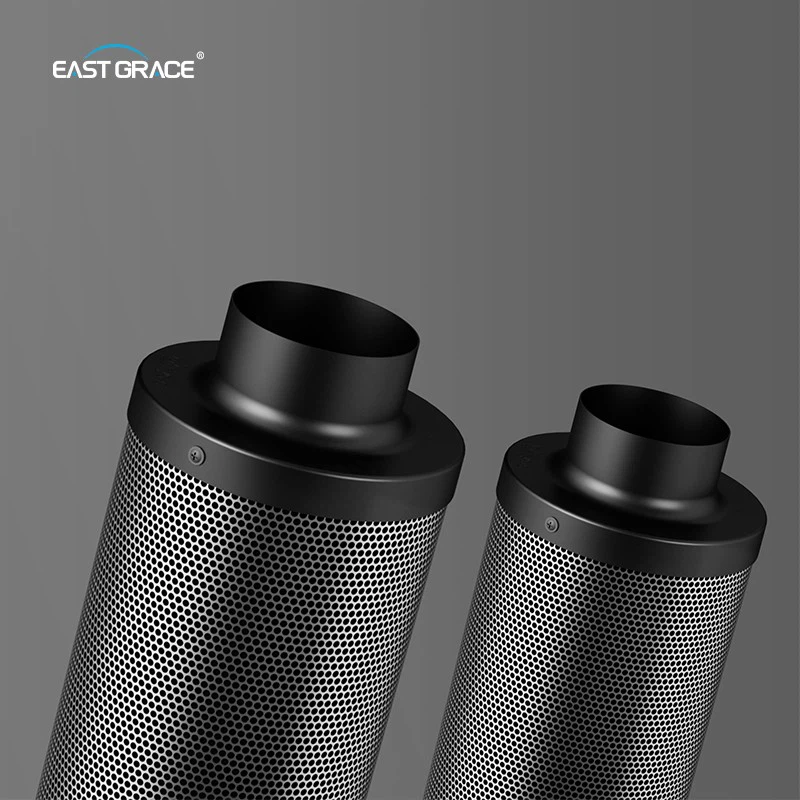
And don't forget about the Active Carbon Filter For Grow Tent Use. This filter helps to remove odors from your grow tent, which is especially important if you're growing in a residential area.
Conclusion
Adjusting the nutrient solution in a 320W grow tent is a crucial part of successful plant growth. By understanding your plants' needs, testing the solution regularly, and making the necessary adjustments, you can ensure that your plants get the nutrients they need at every stage of their growth.
If you're interested in our products or have any questions about adjusting the nutrient solution in your grow tent, feel free to reach out to us. We're here to help you achieve the best possible results in your growing journey.
References
- "Hydroponics: A Practical Guide for the Soilless Grower" by Howard M. Resh
- "The Cannabis Grow Bible" by Greg Green