Hey there, fellow growers! I'm a supplier of the 320W Grow Tent, and I've seen firsthand how root rot can be a real headache for indoor plant enthusiasts. Root rot is a common problem that can quickly ruin your plants and all your hard work. But don't worry, I'm here to share some of the best ways to prevent root rot in your 320W grow tent.
Understanding Root Rot
Before we dive into the prevention methods, let's first understand what root rot is and what causes it. Root rot is a fungal disease that affects the roots of plants. It thrives in wet, oxygen - deprived environments. When the roots are constantly sitting in water, they start to decay because they can't get enough oxygen to function properly.
The most common fungi that cause root rot are Pythium, Phytophthora, and Fusarium. These fungi are naturally present in soil and water, but they only become a problem when the conditions are right for them to grow and multiply.
Watering Practices
One of the most important factors in preventing root rot is proper watering. Over - watering is the biggest culprit when it comes to root rot in grow tents. In a 320W grow tent, the environment is relatively enclosed, and excess moisture can build up quickly.
- Use the finger test: Stick your finger about an inch into the soil. If it feels dry at that depth, it's time to water. If it's still moist, hold off on watering for a bit.
- Water on a schedule, but be flexible: While it's good to have a general watering schedule, you also need to adjust it based on the needs of your plants, the type of soil, and the conditions inside the tent. For example, if it's a hot and dry day, your plants may need more water, but on a cool and humid day, they may need less.
- Water at the base: Avoid getting the leaves wet when you water. Watering at the base of the plant directs the water where it's needed most – at the roots. This also helps prevent the growth of fungi on the leaves.
Soil and Growing Medium
The type of soil or growing medium you use can also have a big impact on root health.
- Choose well - draining soil: In a 320W grow tent, it's crucial to use a soil that drains well. A good mix might include perlite or vermiculite, which help improve drainage and aeration. These additives create air pockets in the soil, allowing oxygen to reach the roots.
- Consider hydroponic systems: Hydroponic systems can be a great option for preventing root rot. In a hydroponic setup, plants are grown in a nutrient - rich water solution instead of soil. As long as the water is properly oxygenated and the system is clean, the risk of root rot is significantly reduced.
Air Circulation and Ventilation
Proper air circulation and ventilation are essential for preventing root rot in a 320W grow tent.
- Use fans: Install fans inside the tent to keep the air moving. This helps prevent the buildup of humidity and ensures that fresh air is constantly reaching the plants. A small oscillating fan can do wonders in improving air circulation.
- Ventilation system: A proper ventilation system is also important. It helps remove stale air and moisture from the tent and brings in fresh air. You can use an exhaust fan to pull out the warm, humid air and an intake fan to bring in fresh air from outside.
Temperature and Humidity Control
Maintaining the right temperature and humidity levels is key to preventing root rot.
- Monitor temperature: The temperature inside a 320W grow tent should be kept within a suitable range for your plants. Most plants prefer a temperature between 65 - 75°F (18 - 24°C) during the day and slightly cooler at night. High temperatures can speed up the growth of fungi, so it's important to keep them in check.
- Manage humidity: Humidity levels should also be carefully monitored. Aim for a relative humidity of around 40 - 60%. You can use a hygrometer to measure the humidity and a dehumidifier or humidifier to adjust it as needed.
Sterilization and Hygiene
Keeping your grow tent clean and sterile is another important step in preventing root rot.
- Clean the tent regularly: Wipe down the walls, floors, and any equipment inside the tent with a mild disinfectant. This helps remove any fungi or bacteria that may be present.
- Sterilize tools: Before using any gardening tools in the tent, make sure they are clean and sterilized. You can soak them in a solution of bleach and water for a few minutes and then rinse them thoroughly.
Using a Carbon Filter
An Active Carbon Filter For Grow Tent Use can also play a role in preventing root rot. These filters help remove odors and harmful chemicals from the air inside the tent. By keeping the air clean, they create a healthier environment for your plants, which can reduce the risk of fungal diseases.
Our 320W Grow Tent
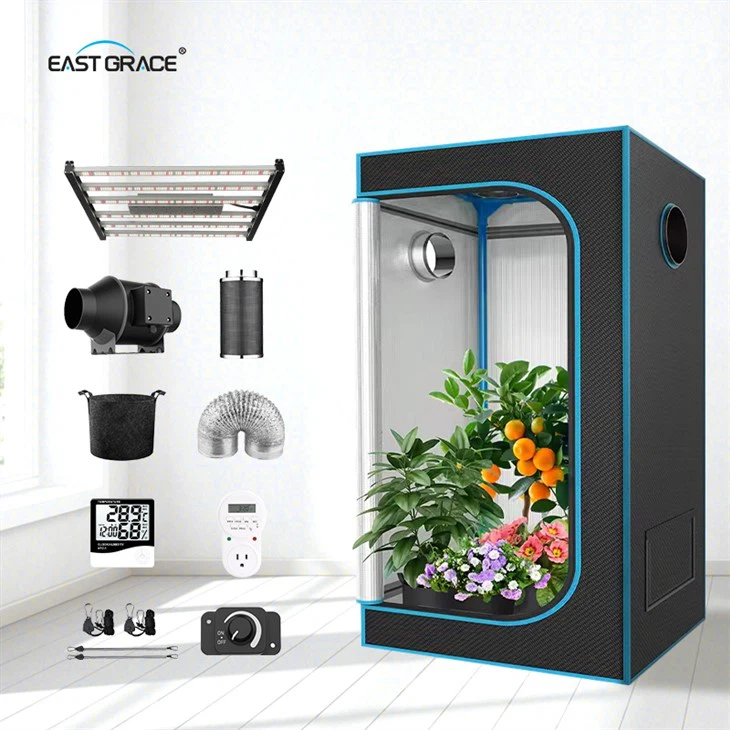
If you're in the market for a high - quality grow tent, our 320W Grow Tent is a great option. It's designed to provide the ideal environment for your plants, with features like good ventilation, easy access, and a sturdy structure. And if you need a larger setup, we also offer the 720W Grow Kit Tent.
Contact for Purchase
If you're interested in our grow tents or have any questions about preventing root rot, feel free to reach out. We're always happy to help you make the most of your indoor growing experience. Whether you're a beginner or an experienced grower, we've got the products and knowledge to support you.

References
- Smith, J. (2020). Indoor Plant Growing Guide. Green Thumb Publishing.
- Johnson, A. (2021). Hydroponics for Beginners. Urban Gardening Press.
- Brown, C. (2019). Managing Fungal Diseases in Plants. Plant Health Institute.