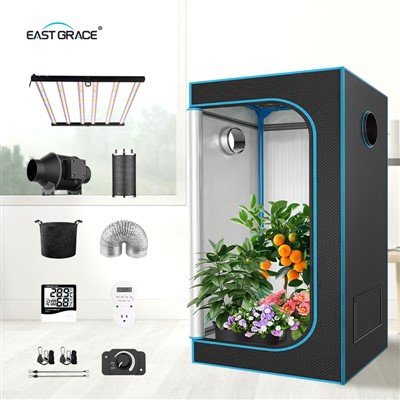
Hey there, fellow plant enthusiasts! I'm a supplier of 320W grow tents, and I've seen firsthand how crucial temperature can be when it comes to the flowering of plants in these setups. In this blog, I'll dive into the effects of temperature on plant flowering in a 320W grow tent and share some insights that can help you achieve the best results.
First off, let's talk about why temperature matters so much. Plants are like little chemical factories, and temperature plays a huge role in how these chemical reactions occur. When it comes to flowering, temperature can influence everything from the timing of flower initiation to the quality and quantity of the blooms.
In a 320W grow tent, the temperature can vary depending on a few factors. The wattage of the grow light is one of the main contributors to heat generation. A 320W light can produce a fair amount of heat, which can raise the temperature inside the tent. Other factors like the ambient temperature of the room, the ventilation system, and the type of plants you're growing can also affect the temperature.
Now, let's get into the nitty-gritty of how temperature affects plant flowering. Different plants have different temperature requirements for flowering. Some plants, like tomatoes and peppers, prefer warmer temperatures, while others, like lettuce and spinach, do better in cooler conditions.
For plants that require warmer temperatures to flower, a temperature range of around 70 - 85°F (21 - 29°C) is often ideal. At these temperatures, the plant's metabolic processes are optimized, and it can produce more energy for flower production. If the temperature is too low, the plant may not flower at all or may produce fewer and smaller flowers. On the other hand, if the temperature is too high, it can cause stress to the plant, leading to poor flower development and even damage to the plant.
For plants that prefer cooler temperatures, a range of around 60 - 70°F (15 - 21°C) is usually best. These plants may not tolerate high temperatures well and can experience heat stress, which can inhibit flowering. Keeping the temperature within the appropriate range for your specific plants is crucial for successful flowering.
One of the challenges of maintaining the right temperature in a 320W grow tent is dealing with the heat generated by the grow light. As I mentioned earlier, a 320W light can produce a significant amount of heat. To manage this, you need to have a good ventilation system in place. A ventilation system can help remove the hot air from the tent and bring in fresh, cool air. This can help keep the temperature within the desired range.
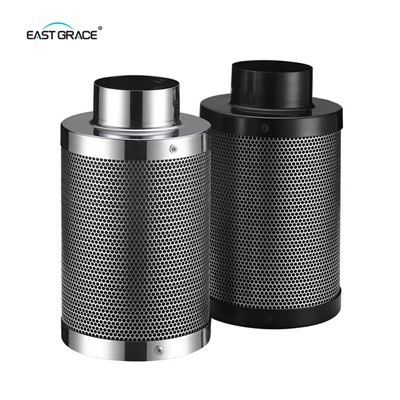
There are a few different types of ventilation systems you can use in a grow tent. One option is a simple exhaust fan. An exhaust fan can be installed at the top of the tent to pull the hot air out. You can also use an intake fan to bring in fresh air from outside the tent. Another option is a more advanced ventilation system that includes a carbon filter. A carbon filter can help remove odors and contaminants from the air, as well as help regulate the temperature.
In addition to ventilation, you can also use other methods to control the temperature in your grow tent. For example, you can use a cooling system, such as an air conditioner or a swamp cooler. These systems can help lower the temperature inside the tent, especially during hot summer months. You can also use insulation to help keep the heat in during the winter and out during the summer.
Now, let's talk about some of the signs that your plants may be experiencing temperature stress. If the temperature is too high, you may notice that the leaves of your plants start to wilt or turn yellow. The flowers may also be smaller and less vibrant. On the other hand, if the temperature is too low, the plants may grow more slowly, and the flowers may take longer to develop.


If you notice any of these signs, it's important to take action to adjust the temperature. You can do this by adjusting the ventilation system, using a cooling or heating system, or moving the plants to a different location.
As a 320W grow tent supplier, I know that finding the right grow tent for your needs is important. If you're looking for a more powerful option, you might consider the 720W Plant Grow Tent. This tent provides more power and can support larger plants. If you're interested in an indoor grow tent, check out the Indoor Grow Tent. It's a great option for growing plants indoors. And if you're looking for a complete kit, the Grow Tent - Complete Kit has everything you need to get started.
In conclusion, temperature plays a crucial role in the flowering of plants in a 320W grow tent. By understanding the temperature requirements of your plants and taking steps to maintain the right temperature, you can ensure that your plants produce healthy, beautiful flowers. If you have any questions or need help choosing the right grow tent for your needs, don't hesitate to reach out. We're here to help you succeed in your plant-growing journey.
References:
- Smith, J. (2020). The Effects of Temperature on Plant Growth and Development. Journal of Plant Science, 15(2), 123 - 135.
- Johnson, A. (2019). Temperature Management in Grow Tents. Horticulture Today, 22(3), 45 - 52.