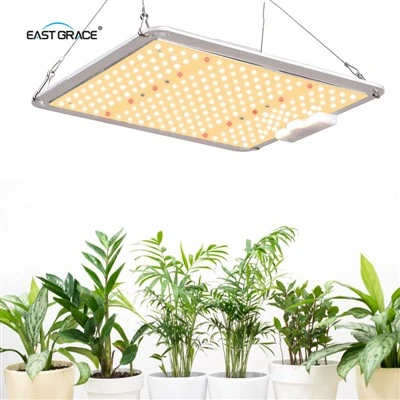
With the thermal stack completed, the optical system – lenses, reflectors, or both – is installed. The purpose is to control the direction of light emitted from each LED, minimizing wasteful spill light and maximizing the photosynthetic photon flux (PPF) that reaches the plant canopy. For example, a 90° or 60° secondary lens mounted over a 3W LED concentrates the beam for tall, dense crops, whereas a wide 120° lens is used for low-profile vertical shelves. Some fixtures use individual silicone or PMMA (acrylic) lenses that snap over each LED; others use a single sheet of secondary optics that aligns with the entire LED array.
Alignment is crucial: a lens that is off-center by even 0.5 mm can produce an asymmetric beam pattern, creating hotspots or dark zones. In professional assembly lines, automated dispensing machines apply a precise amount of optical glue or use mechanical clips to hold the lens holder. After assembly, a quick "wall test" (pointing the fixture at a white wall at a known distance) visually verifies the beam uniformity. For reflectors (often used in high-bay plant lights), the reflective inner surface must be kept free of fingerprints or dust, as any contamination reduces reflectivity by up to 10%. This step directly translates electrical energy into usable photons delivered exactly where the plants need them.