Do LED Grow Lights Cause Plant Stress?
As a supplier of LED grow lights, I've encountered numerous inquiries from growers, both amateur and professional, about the potential of LED grow lights to cause plant stress. This is a critical topic, as plant stress can significantly impact growth, yield, and overall plant health. In this blog, I'll delve into the science behind LED grow lights and their effects on plants, exploring whether they are likely to cause stress.
Understanding Plant Stress
Before we discuss the relationship between LED grow lights and plant stress, it's essential to understand what plant stress is. Plant stress occurs when plants are exposed to unfavorable environmental conditions that disrupt their normal physiological processes. These conditions can include extreme temperatures, water scarcity, nutrient deficiencies, and exposure to harmful chemicals. Stress can manifest in various ways, such as reduced growth, wilting, leaf discoloration, and decreased resistance to pests and diseases.
How LED Grow Lights Work
LED (Light-Emitting Diode) grow lights are designed to provide plants with the specific wavelengths of light they need for photosynthesis. Photosynthesis is the process by which plants convert light energy into chemical energy, which they use to grow and develop. Different wavelengths of light have different effects on plant growth. For example, blue light is essential for vegetative growth, while red light promotes flowering and fruiting.
LED grow lights offer several advantages over traditional lighting sources, such as incandescent and fluorescent lights. They are more energy-efficient, produce less heat, and can be customized to emit specific wavelengths of light. This customization allows growers to tailor the light spectrum to the specific needs of their plants at different stages of growth.
Can LED Grow Lights Cause Plant Stress?
The short answer is that LED grow lights can cause plant stress if they are not used correctly. However, when used properly, LED grow lights can actually help reduce stress and promote healthy plant growth. Here are some factors to consider:
Light Intensity
One of the most common causes of plant stress from LED grow lights is excessive light intensity. If the light is too bright, it can cause photoinhibition, a process in which the plant's photosynthetic machinery is damaged. This can lead to reduced growth, leaf burn, and other symptoms of stress. On the other hand, if the light intensity is too low, the plant may not receive enough energy for photosynthesis, which can also lead to stress.
To avoid excessive light intensity, it's important to choose the right LED grow light for your plants and to adjust the distance between the light and the plants. Most LED grow lights come with recommended hanging heights, which should be followed to ensure optimal light intensity.
Light Spectrum
As mentioned earlier, different wavelengths of light have different effects on plant growth. If the light spectrum is not balanced correctly, it can cause stress to the plants. For example, if a plant is exposed to too much blue light during the flowering stage, it may produce fewer flowers and fruits.
To ensure a balanced light spectrum, it's important to choose an LED grow light that can provide a full spectrum of light, including red, blue, and other wavelengths. Some LED grow lights also allow you to adjust the light spectrum to meet the specific needs of your plants at different stages of growth.
Light Duration
The duration of light exposure can also affect plant stress. Most plants require a certain amount of darkness each day to complete their growth cycle. If the light is on for too long, it can disrupt the plant's natural circadian rhythm, which can lead to stress.
To avoid this, it's important to provide your plants with a regular light schedule. Most plants require 12-18 hours of light per day during the vegetative stage and 8-12 hours of light per day during the flowering stage.
Our LED Grow Lights
At our company, we offer a wide range of LED grow lights that are designed to provide plants with the optimal light spectrum and intensity for healthy growth. Our PF>0.95 UV IR 100W Add-In LED Grow Light Bar Module is a high-quality add-in module that can be used to supplement existing grow lights or to create a custom lighting setup. It provides a full spectrum of light, including UV and IR wavelengths, which can help promote plant growth and health.
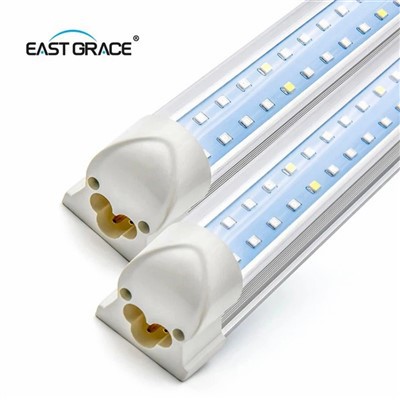
Our IP20 T5 PC Aluminum LED Tube Light is another popular option for growers. It is a energy-efficient and durable LED tube light that can be used for both indoor and outdoor growing. It provides a balanced spectrum of light that is suitable for all stages of plant growth.
For larger growing spaces, our UFO LED High Bay Grow Light Fixture is a great choice. It is a high-intensity LED grow light that can provide uniform light coverage over a large area. It is also energy-efficient and has a long lifespan.


Conclusion
In conclusion, LED grow lights can cause plant stress if they are not used correctly. However, when used properly, they can provide plants with the optimal light spectrum and intensity for healthy growth. By choosing the right LED grow light for your plants and following the recommended guidelines for light intensity, spectrum, and duration, you can minimize the risk of plant stress and ensure a successful harvest.
If you have any questions about our LED grow lights or need help choosing the right product for your needs, please don't hesitate to contact us. We are here to help you grow healthy and productive plants.
References
- Smith, H. (1982). Light quality, photoperception, and plant strategy. Annual Review of Plant Physiology, 33(1), 481-518.
- Taiz, L., & Zeiger, E. (2010). Plant physiology (5th ed.). Sinauer Associates.
- Hopkins, W. G., & Hüner, N. P. A. (2008). Introduction to plant physiology (4th ed.). John Wiley & Sons.