


Hey there, fellow growers! As a supplier of 320W grow tents, I know how important it is to make the most of every resource and reduce waste. In this blog, I'm gonna share some practical tips on how to recycle the waste in a 320W grow tent.
Understanding the Types of Waste in a Grow Tent
First off, let's take a look at the different kinds of waste you might encounter in a 320W grow tent. There are mainly three types: plant waste, packaging waste, and electronic waste.
Plant waste includes things like dead leaves, stems, and roots. These are a natural part of the growing process, but if not managed properly, they can attract pests and diseases. Packaging waste comes from all the products you buy for your grow tent, such as soil bags, nutrient containers, and grow light boxes. Electronic waste, on the other hand, consists of old grow lights, fans, and other electrical equipment that have reached the end of their lifespan.
Recycling Plant Waste
One of the easiest ways to recycle plant waste is by composting. Composting is a natural process that turns organic matter into a nutrient-rich soil amendment. You can use a compost bin or a compost tumbler to speed up the process. Simply collect your plant waste, add some water, and mix it with other organic materials like leaves, grass clippings, and kitchen scraps. Over time, the mixture will break down into compost, which you can use to fertilize your plants.

Another option is to use plant waste as mulch. Mulch is a layer of material that you spread on the soil surface to retain moisture, suppress weeds, and regulate soil temperature. You can shred the plant waste into small pieces and spread it around the base of your plants. This will not only help your plants grow better but also reduce the need for chemical fertilizers.
Recycling Packaging Waste
When it comes to packaging waste, the first step is to reduce it as much as possible. Look for products that come in minimal packaging or packaging that can be easily recycled. For example, instead of buying large bags of soil, you can buy smaller bags or use reusable containers. You can also look for products that are made from recycled materials.
Once you have collected your packaging waste, you can recycle it at your local recycling center. Most recycling centers accept paper, cardboard, plastic, and metal. Make sure to separate your waste into different categories and follow the recycling guidelines in your area.
Recycling Electronic Waste
Electronic waste is a bit more tricky to recycle because it contains hazardous materials like lead, mercury, and cadmium. However, there are many recycling programs available that can help you dispose of your electronic waste safely. You can check with your local government or electronics store to see if they offer electronic waste recycling services.
Another option is to donate your old electronic equipment to a local charity or school. Many organizations are in need of used electronics, and they can often refurbish them and put them back into use.
Using Recycling Accessories
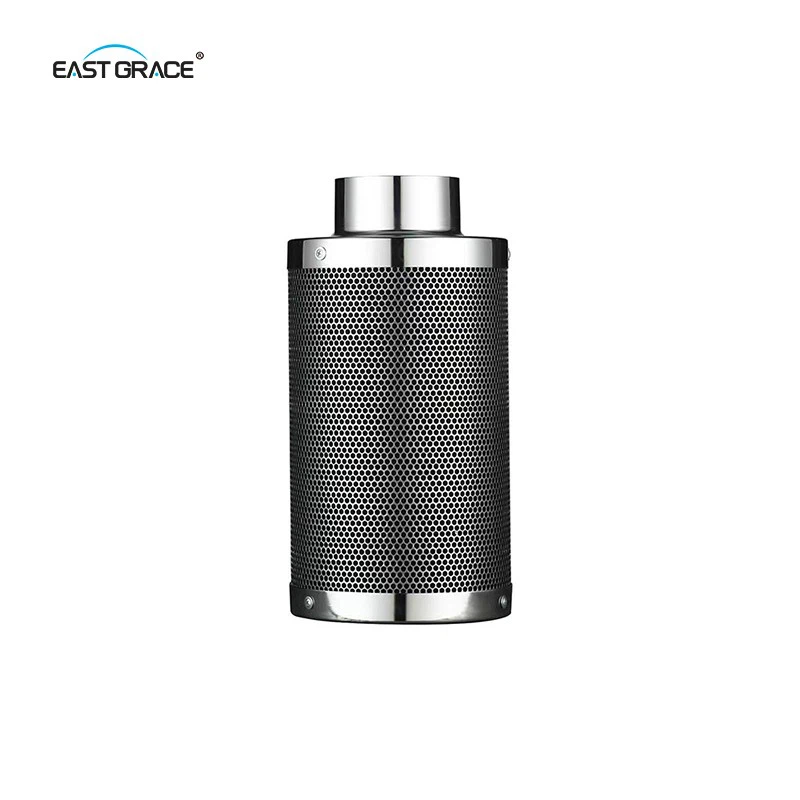
In addition to the above methods, there are also some accessories that can help you recycle waste in your grow tent. For example, an Active Carbon Filter For Grow Tent Use can help remove odors and pollutants from the air, which can reduce the need for chemical air fresheners. A Customized Design Plant Grow Tent can be made from recycled materials and designed to be more energy-efficient, which can save you money on your electricity bill. And Timers can help you control the lighting and ventilation in your grow tent, which can reduce energy waste.
Conclusion
Recycling waste in a 320W grow tent is not only good for the environment but also for your wallet. By following the tips in this blog, you can reduce your waste, save money, and create a more sustainable growing environment. If you have any questions or need more information, feel free to contact us. We're always happy to help!
References
- "Composting at Home." EPA. Accessed [Date].
- "Recycling Electronics." EPA. Accessed [Date].
- "Sustainable Gardening Tips." National Gardening Association. Accessed [Date].


