As a supplier of 320W grow tents, I often receive inquiries about the growth rate of plants within these setups. Understanding the factors that influence plant growth in a 320W grow tent is crucial for both novice and experienced growers. In this blog, we'll explore the key elements that affect plant growth and attempt to quantify the growth rate achievable in a 320W grow tent.

Understanding the 320W Grow Tent
A 320W grow tent is a popular choice among indoor growers due to its relatively compact size and efficient power consumption. These tents are designed to create a controlled environment where plants can thrive. The 320W refers to the power of the grow light used inside the tent, which is a critical factor in plant growth.
Factors Affecting Plant Growth in a 320W Grow Tent
Light
Light is the primary energy source for plants. In a 320W grow tent, the grow light provides the necessary spectrum of light for photosynthesis. Different plants have different light requirements, but generally, a 320W light can cover a small to medium-sized area within the tent. The intensity and duration of light exposure can significantly impact the growth rate. For example, some plants require 12 - 18 hours of light per day during the vegetative stage and 8 - 12 hours during the flowering stage.
Temperature and Humidity
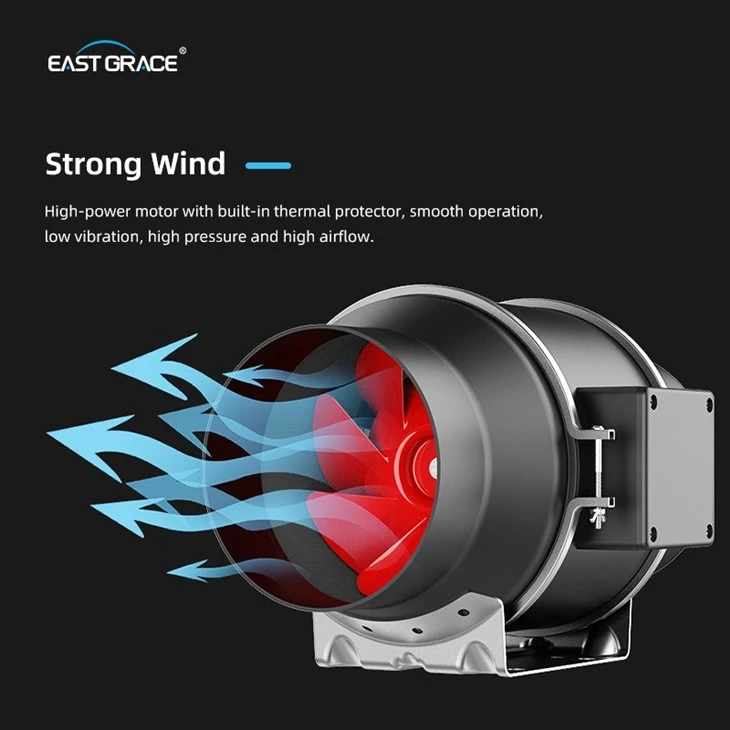
Maintaining the right temperature and humidity levels is essential for plant growth. Most plants prefer a temperature range of 65 - 80°F (18 - 27°C) during the day and slightly cooler at night. Humidity levels should be around 40 - 60% during the vegetative stage and 30 - 50% during the flowering stage. A 320W grow tent typically comes with ventilation systems to help regulate these conditions. You can also use an Inline Duct Fan Low Noise to improve air circulation and control temperature and humidity.
Nutrients
Plants need a balanced supply of nutrients to grow properly. In a 320W grow tent, you can use a combination of soil, hydroponic solutions, or fertilizers to provide the necessary nutrients. The type and amount of nutrients required depend on the type of plant and its growth stage. For example, during the vegetative stage, plants need more nitrogen, while during the flowering stage, they require more phosphorus and potassium.
CO2 Levels
Carbon dioxide (CO2) is an essential component of photosynthesis. Increasing the CO2 levels in a 320W grow tent can enhance plant growth. You can use CO2 generators or natural methods such as adding dry ice to increase CO2 levels. However, it's important to monitor CO2 levels carefully to avoid overexposure, which can be harmful to plants.
Measuring the Growth Rate
Measuring the growth rate of plants in a 320W grow tent can be challenging as it depends on various factors. One common way to measure growth is by tracking the height of the plant over time. You can also measure the number of leaves, branches, and flowers. Another method is to measure the dry weight of the plant, which provides a more accurate measure of growth.
Comparing with Other Grow Tents
When comparing the growth rate in a 320W grow tent with other grow tents, such as a 720W Plant Grow Tent, it's important to consider the power and size of the tent. A 720W grow tent generally provides more light and space, which can result in faster growth rates. However, a 320W grow tent can still be effective for small-scale growing and is more energy-efficient.
Real-World Examples
Let's take a look at some real-world examples of plant growth in a 320W grow tent. For example, a tomato plant grown in a 320W grow tent may take around 6 - 8 weeks to reach the flowering stage and another 4 - 6 weeks to produce ripe tomatoes. A lettuce plant, on the other hand, may take around 3 - 4 weeks to reach maturity.
Tips for Maximizing Growth in a 320W Grow Tent
- Choose the Right Plants: Select plants that are suitable for indoor growing and have relatively low light requirements.
- Optimize Light Placement: Make sure the grow light is placed at the right distance from the plants to ensure even light distribution.
- Maintain Proper Ventilation: Use a ventilation system to keep the air fresh and regulate temperature and humidity.
- Monitor Nutrient Levels: Regularly check the nutrient levels in the soil or hydroponic solution and adjust as needed.
- Keep a Growth Journal: Record the growth progress of your plants, including height, number of leaves, and flowering time. This can help you identify any issues and make adjustments to your growing conditions.
Conclusion
In conclusion, the growth rate of plants in a 320W grow tent depends on various factors, including light, temperature, humidity, nutrients, and CO2 levels. By understanding these factors and implementing the right growing techniques, you can achieve a healthy and productive harvest. If you're interested in purchasing a 320W grow tent or any other grow accessories, feel free to contact us for more information and to discuss your specific needs. We also offer a 720W 320W Plant Grow Tent for those looking for a more powerful option.
References
- Smith, J. (2020). Indoor Plant Growing: A Comprehensive Guide. Publisher Name.
- Jones, A. (2019). The Science of Plant Growth in Controlled Environments. Journal of Horticulture, 25(3), 123 - 135.