


As a supplier of 320W grow tents, I've had the privilege of working closely with a diverse range of plant enthusiasts, from novice gardeners to seasoned horticulturists. One of the most frequently asked questions I encounter is about the ideal humidity range for different plants within a 320W grow tent. In this blog post, I'll delve into this topic, providing you with valuable insights to help you create the perfect environment for your plants.
Understanding Humidity in a Grow Tent
Humidity plays a crucial role in plant growth, affecting various physiological processes such as transpiration, nutrient uptake, and photosynthesis. Maintaining the right humidity level is essential for ensuring healthy plant development and maximizing yields. In a 320W grow tent, the humidity level can be influenced by several factors, including the type of plants, the stage of growth, and the environmental conditions outside the tent.
Humidity Ranges for Different Plant Types
Succulents and Cacti
Succulents and cacti are well-known for their ability to thrive in arid conditions. These plants have adapted to store water in their leaves, stems, or roots, allowing them to survive in low-humidity environments. In a 320W grow tent, the ideal humidity range for succulents and cacti is between 10% and 30%. Maintaining low humidity levels helps prevent issues such as root rot and fungal diseases, which can be common in more humid conditions.
Tropical Plants
Tropical plants, such as orchids, ferns, and bromeliads, originate from regions with high humidity levels. These plants require a more humid environment to thrive, typically between 60% and 80%. In a 320W grow tent, you can achieve and maintain this humidity range by using a humidifier. Additionally, grouping tropical plants together can help create a microclimate with higher humidity levels.
Vegetables and Herbs
Vegetables and herbs have varying humidity requirements depending on the specific plant. Generally, leafy greens such as lettuce, spinach, and kale prefer a humidity range of 40% to 60%. Root vegetables like carrots and potatoes can tolerate slightly lower humidity levels, around 30% to 50%. Herbs such as basil, mint, and parsley thrive in a humidity range of 40% to 70%. It's important to monitor the humidity levels closely and make adjustments as needed to ensure optimal growth.
Flowering Plants
Flowering plants, such as roses, tulips, and lilies, have specific humidity requirements during different stages of growth. During the vegetative stage, a humidity range of 40% to 60% is generally suitable. As the plants enter the flowering stage, it's recommended to lower the humidity to around 30% to 50% to prevent issues such as mold and mildew. This can be achieved by increasing ventilation and reducing the use of humidifiers.
Controlling Humidity in a 320W Grow Tent
Maintaining the ideal humidity range in a 320W grow tent requires careful monitoring and adjustment. Here are some tips to help you control humidity effectively:
- Use a Hygrometer: A hygrometer is a device that measures the humidity level in the air. Place a hygrometer inside your grow tent to monitor the humidity levels regularly. This will allow you to make informed decisions about when to adjust the humidity.
- Ventilation: Proper ventilation is essential for maintaining a healthy humidity level in your grow tent. Install an exhaust fan to remove excess moisture from the tent and bring in fresh air. You can also use intake fans to ensure a constant supply of fresh air.
- Humidifiers and Dehumidifiers: Depending on the humidity requirements of your plants, you may need to use a humidifier or a dehumidifier. A humidifier adds moisture to the air, while a dehumidifier removes excess moisture. Choose the appropriate device based on the humidity levels in your grow tent.
- Watering Practices: Overwatering can lead to high humidity levels in your grow tent. Be mindful of your watering practices and only water your plants when the soil is dry. This will help prevent excess moisture from accumulating in the tent.
Our Products for Your Grow Tent
At our company, we offer a wide range of products to help you create the perfect environment for your plants in a 320W grow tent. Our 320W Indoor Plant Grow Tent Kit is designed to provide optimal growing conditions for your plants, with features such as adjustable ventilation, lightproof construction, and easy setup. We also offer a 720W Indoor Plant Grow Tent Kit for larger growing spaces.
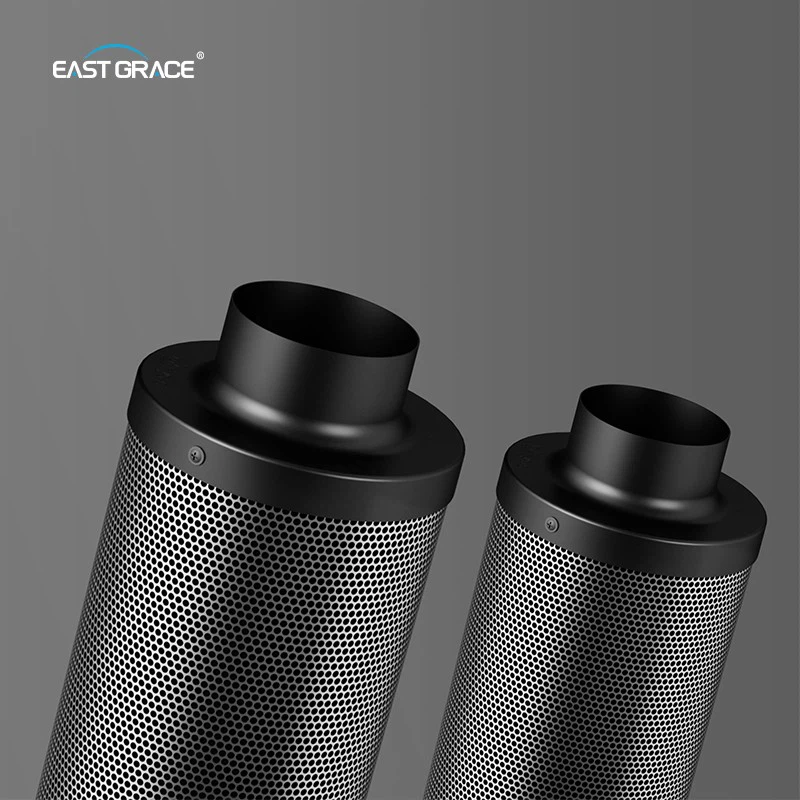
In addition to our grow tents, we also offer an Active Carbon Filter to help remove odors and purify the air in your grow tent. This filter is designed to capture and remove harmful pollutants, ensuring a healthy and clean environment for your plants.
Contact Us for More Information
If you have any questions or need further assistance with choosing the right products for your grow tent, please don't hesitate to contact us. Our team of experts is always available to provide you with personalized advice and support. We are committed to helping you achieve the best possible results with your indoor gardening.

References
- Smith, J. (2020). The Complete Guide to Indoor Gardening. New York: Green Thumb Publishing.
- Johnson, A. (2019). Humidity Control in Grow Tents. Horticulture Today, 45(2), 32-38.
- Brown, C. (2018). Optimal Humidity Ranges for Different Plant Types. Journal of Plant Science, 22(4), 56-62.


