When it comes to cultivating plants in a 320W grow tent, understanding the humidity requirements is crucial for achieving optimal plant growth. As a supplier of 320W grow tents, I've witnessed firsthand the impact that proper humidity levels can have on the health and productivity of plants. In this blog post, I'll delve into the science behind humidity in a 320W grow tent, discuss the ideal humidity ranges for different growth stages, and provide tips on how to maintain the right humidity levels.
The Science of Humidity in a Grow Tent
Humidity refers to the amount of water vapor present in the air. In a grow tent, humidity plays a vital role in the plant's physiological processes, including transpiration, photosynthesis, and nutrient uptake. When the humidity is too high, it can lead to issues such as mold, mildew, and pest infestations. On the other hand, low humidity can cause the plants to lose water too quickly, leading to wilting and stunted growth.
The ideal humidity level in a grow tent depends on several factors, including the type of plants being grown, the growth stage, and the environmental conditions. Generally, the humidity level should be higher during the vegetative stage and lower during the flowering stage. This is because plants require more water during the vegetative stage to support their rapid growth, while during the flowering stage, lower humidity levels can help prevent the development of mold and mildew.
Ideal Humidity Ranges for Different Growth Stages
- Vegetative Stage: During the vegetative stage, plants are focused on growing leaves, stems, and roots. This is a period of rapid growth, and plants require a higher humidity level to support their development. The ideal humidity range for the vegetative stage is between 60% and 70%. At this humidity level, the plants can absorb water and nutrients more efficiently, which promotes healthy growth.
- Flowering Stage: Once the plants enter the flowering stage, they start to produce buds and flowers. During this stage, it's important to lower the humidity level to prevent the development of mold and mildew. The ideal humidity range for the flowering stage is between 40% and 50%. Lower humidity levels also help to enhance the flavor and aroma of the flowers.
- Seedling Stage: When starting plants from seeds, it's important to maintain a high humidity level to help the seeds germinate. The ideal humidity range for the seedling stage is between 70% and 80%. This high humidity level helps to keep the soil moist and provides a favorable environment for the seeds to sprout.
Maintaining the Right Humidity Levels
Maintaining the right humidity levels in a 320W grow tent requires a combination of proper ventilation, humidity control devices, and monitoring. Here are some tips on how to maintain the right humidity levels:
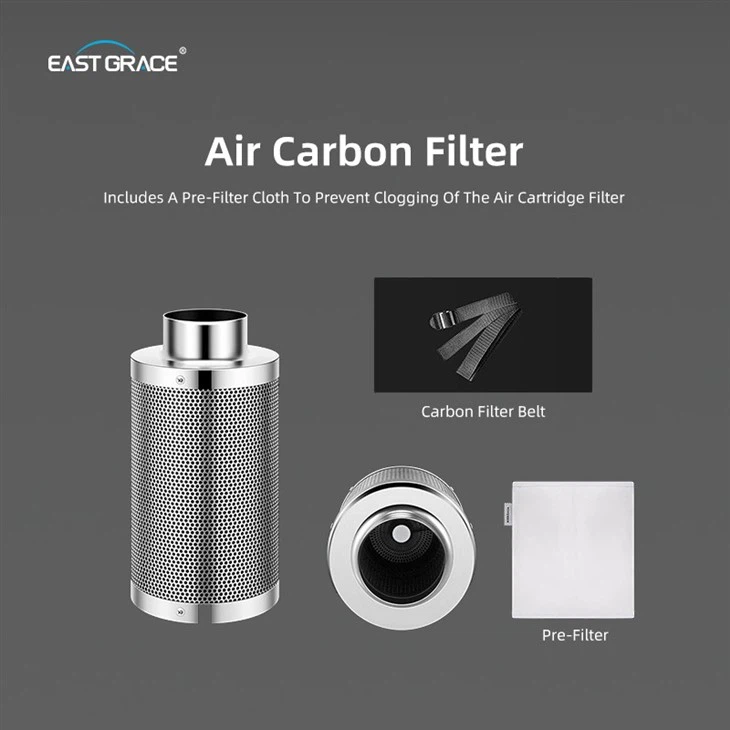
- Ventilation: Proper ventilation is essential for maintaining the right humidity levels in a grow tent. A good ventilation system helps to remove excess moisture from the air and replace it with fresh, dry air. You can use exhaust fans, intake fans, and carbon filters to improve the air circulation in the grow tent. The East Grace Active Carbon Filter is a great option for removing odors and purifying the air in the grow tent.
- Humidity Control Devices: Humidity control devices such as humidifiers and dehumidifiers can help you maintain the right humidity levels in the grow tent. Humidifiers add moisture to the air, while dehumidifiers remove moisture from the air. You can use a humidifier to increase the humidity level during the vegetative stage and a dehumidifier to lower the humidity level during the flowering stage.
- Monitoring: Regularly monitoring the humidity level in the grow tent is important to ensure that it stays within the ideal range. You can use a hygrometer to measure the humidity level in the grow tent. A hygrometer is a simple device that measures the amount of water vapor in the air. You can place the hygrometer in the grow tent and check the humidity level regularly.
The Importance of Choosing the Right Grow Tent
Choosing the right grow tent is also important for maintaining the right humidity levels. A good grow tent should be made of high-quality materials that are durable and waterproof. It should also have proper ventilation and insulation to help maintain the right temperature and humidity levels. The 320W Grow Kit Tent and Greenhouse Frame Grow Tent are both great options for growing plants in a controlled environment.

Conclusion
In conclusion, understanding the humidity requirements for a 320W grow tent is essential for achieving optimal plant growth. By maintaining the right humidity levels, you can prevent issues such as mold, mildew, and pest infestations, and promote healthy plant growth. Remember to choose the right grow tent, use proper ventilation and humidity control devices, and monitor the humidity level regularly. If you have any questions or need further assistance, please don't hesitate to contact us for a procurement discussion. We're here to help you achieve the best results with your grow tent.
References
- Smith, J. (2020). The Science of Humidity in Grow Tents. Journal of Indoor Gardening, 15(2), 34-42.
- Johnson, A. (2019). Maintaining the Right Humidity Levels in a Grow Tent. Gardening Today, 22(3), 56-63.
- Brown, C. (2018). Choosing the Right Grow Tent for Your Plants. Horticulture Magazine, 18(4), 78-85.