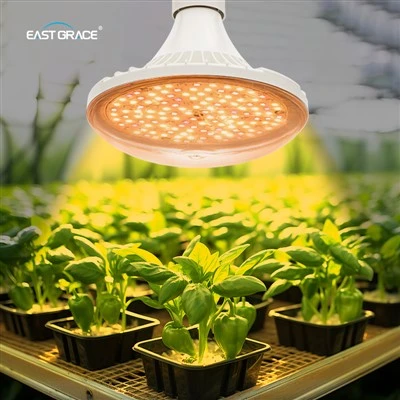
The driver power supply converts AC mains electricity into the stable, regulated DC current that LEDs require. This design is the key enabler that moves plant lighting from simply "turning on" to becoming intelligent, tunable, and efficient.
A basic driver consists of several essential blocks. The power input stage includes rectification (converting AC to pulsating DC) and filtering (smoothing the voltage). The power output stage provides constant‑current or constant‑voltage control, which is critical because LEDs are current‑sensitive devices. Finally, protection circuits guard against over‑temperature, over‑voltage, over‑current, and short circuits, ensuring long‑term reliability in the often humid and dusty environment of grow rooms.
Beyond basic drivers, multi‑channel dimming power supplies enable independent adjustment of different light wavelengths – for example, red and blue channels can be controlled separately. The core technology behind this is Pulse Width Modulation (PWM). PWM rapidly switches the power transistor on and off at a high frequency (typically hundreds to thousands of Hz). By varying the ratio of on‑time to off‑time (the duty cycle), the average current through each LED channel is precisely regulated, thereby adjusting brightness without changing the instantaneous current value. This method produces flicker‑free dimming and preserves the exact spectral output required for specific plant growth stages.
Modern intelligent plant lights often integrate multiple PWM channels with microcontroller‑based logic, allowing growers to program dynamic light recipes – from seedling to flowering – simply by adjusting duty cycles. This level of control maximizes photosynthetic efficiency and energy savings.