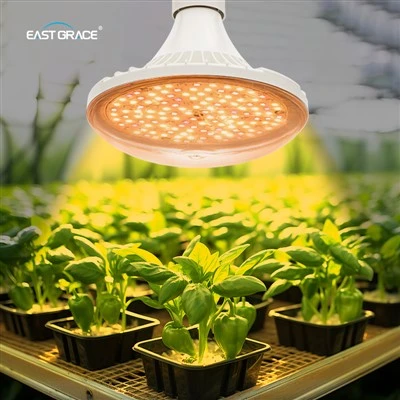
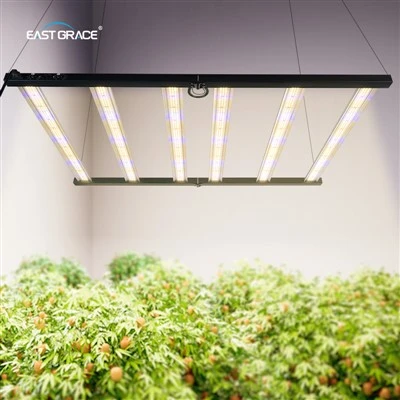
Photosynthetic photon efficiency (PPE) is an important indicator for evaluating the effectiveness of LED grow lights used in horticulture. It measures how efficiently a light converts electrical energy (measured in watts) into photosynthetically active radiation (PAR). PAR includes photons in the 400-700 nanometer wavelength range, which are used by plants for photosynthesis. PPE is measured in micromoles per joule (μmol/J). A higher PPE value indicates greater efficiency, meaning more usable light is produced per unit of energy consumed and less heat is lost.
For growers, PPE is a key factor in choosing energy-efficient lighting to optimize plant growth and minimize electricity bills. For example, high-quality LED grow lights have a PPE of 2.5 to 3.0 μmol/J, which is generally higher than less efficient systems, such as traditional high-pressure sodium (HPS) lamps, which have lower PPE values. Higher PPE levels are particularly important for large-scale and professional growers, allowing them to increase yields while reducing operating costs.
In addition to PPE, other factors such as light spectrum, intensity, and coverage area should be considered when choosing LED grow lights to ensure their suitability for specific plants and growth stages. Manufacturers often list PPE levels in their product specifications, but independent testing can verify these claims. By choosing fixtures with higher PPE levels, growers can improve durability and productivity in their controlled environments.