First, is the temperature factor. The outdoor temperature is generally low in winter, and many vegetables cannot grow normally in a low-temperature environment, and may even suffer from frost damage. The indoor temperature is relatively warm and stable, which can provide vegetables with a suitable growth temperature, meet the heat conditions required for vegetable growth, and ensure the normal development of vegetables.
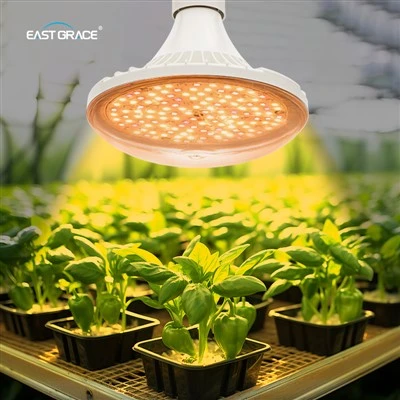
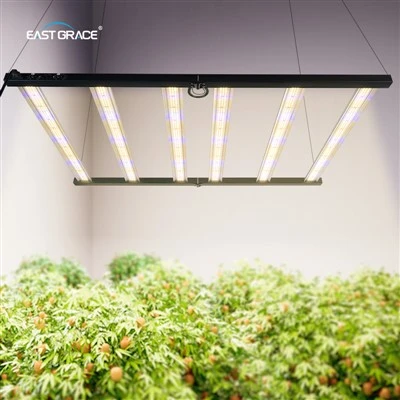
Second, the light conditions. Although sunlight is relatively weak in winter, the indoor layout and the selection of suitable locations allow vegetables to receive as much sunlight as possible, and artificial light sources can be used for supplementary light. Outdoor weather may seriously affect the duration and intensity of vegetable light due to ice, snow, haze, etc.
Finally, the problem of pests and diseases. Although the activity of outdoor pests and diseases is reduced in winter, they still exist. The relatively closed indoor environment can effectively reduce pest invasion, reduce the probability of pests and diseases, reduce the use of pesticides, and make vegetables grow greener and healthier.
In short, growing vegetables indoors in winter can not only meet food needs but also beautify the environment. It is a practical and environmentally friendly choice.